Appetite & Digestion
Vomiting, diarrhoea, appetite changes and weight changes may point to underlying illness.

Routine Check-Up
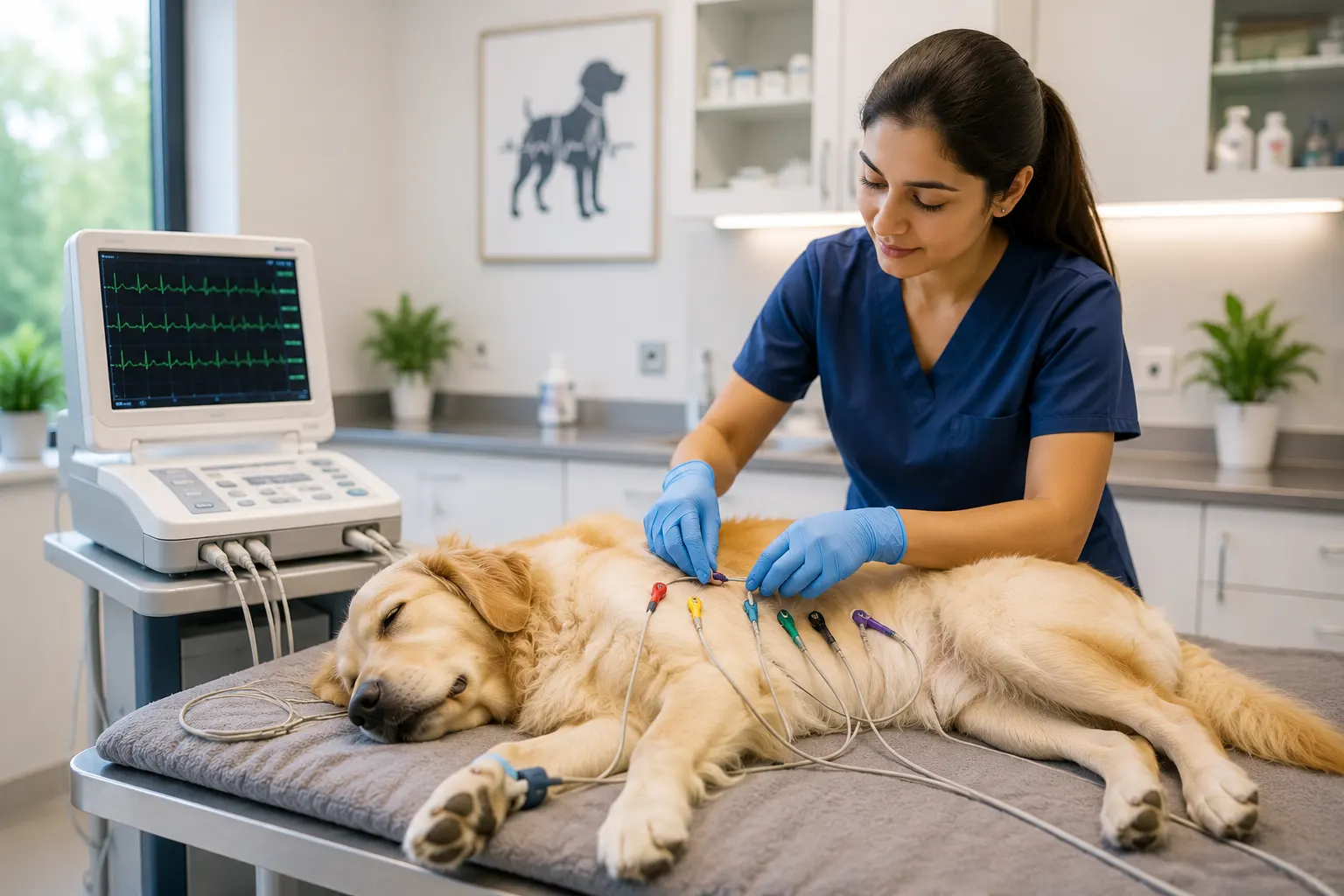
Pets cannot clearly tell us when something is wrong. Routine examinations help identify early symptoms, review behaviour changes and support timely treatment for better long-term health.
Early Detection
Pets may show illness through subtle signs: a change in appetite, unusual tiredness, scratching, bad breath, vomiting, diarrhoea, coughing, eye changes, urinary changes or behaviour that feels different.
A regular check-up gives the veterinary team a chance to examine these signals early, advise on next steps and identify conditions that are easier to manage when treated in time.
What We Look For
Vomiting, diarrhoea, appetite changes and weight changes may point to underlying illness.
Dry, red or cloudy eyes, excessive scratching and coat changes need closer attention.
High body temperature, lethargy or sudden behaviour changes can require examination.
Excessive drooling, bad breath and mouth discomfort may indicate dental or oral health concerns.
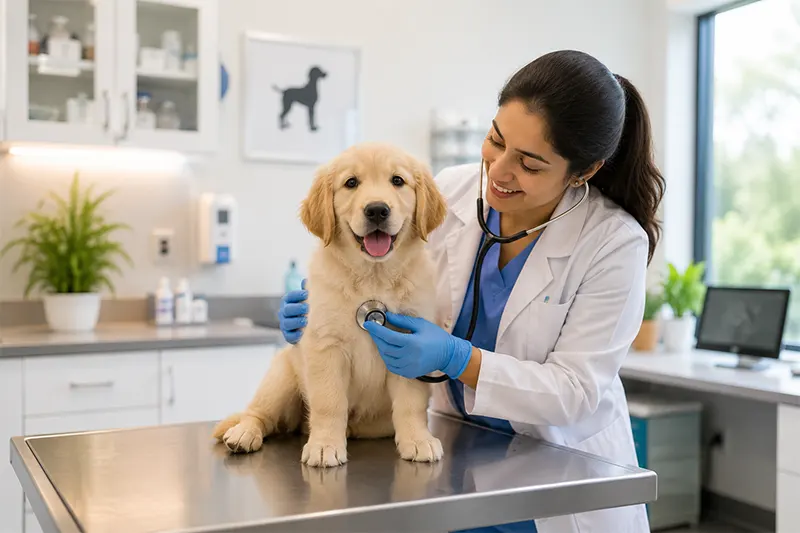
Regular visits help your pet live a healthier, more comfortable life. If you notice any worrying signs, schedule a symptom-based check-up as early as possible.
Check-Up Path
Routine examinations are most useful when families share changes early and follow through with recommended care.
Tell the team about appetite, behaviour, energy, skin, eyes, digestion or urinary changes.
The doctor checks symptoms, general condition and whether further diagnostics are needed.
Get guidance on treatment, prevention, diet, dental care and follow-up timing.