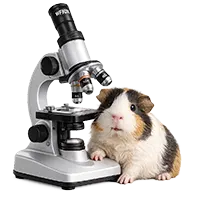
Blood Work
Routine hemogram and serum biochemistry help assess infection, organ function and general health.

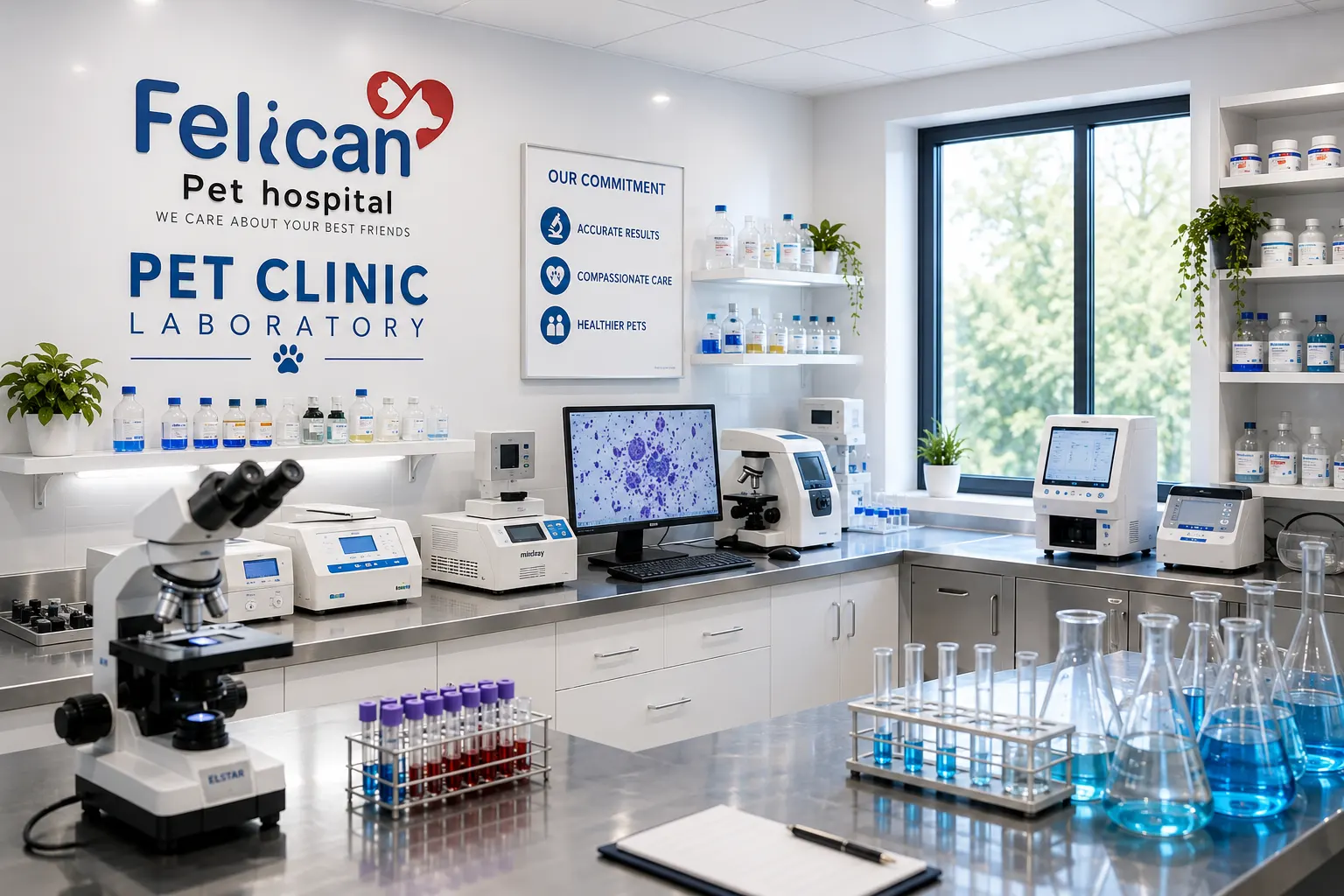
Clinical Laboratory
Felican's veterinary laboratory supports disease investigation, treatment planning and monitoring for companion animals and livestock.
Disease Diagnostics
Animal disease diagnostics forms the connecting link between the cause and cure of illness. Testing helps identify what is happening inside the body and supports more confident treatment planning.
Felican's diagnostic lab supports veterinarians and pet families with testing services that help detect disease, monitor progress and guide prevention across animal species.
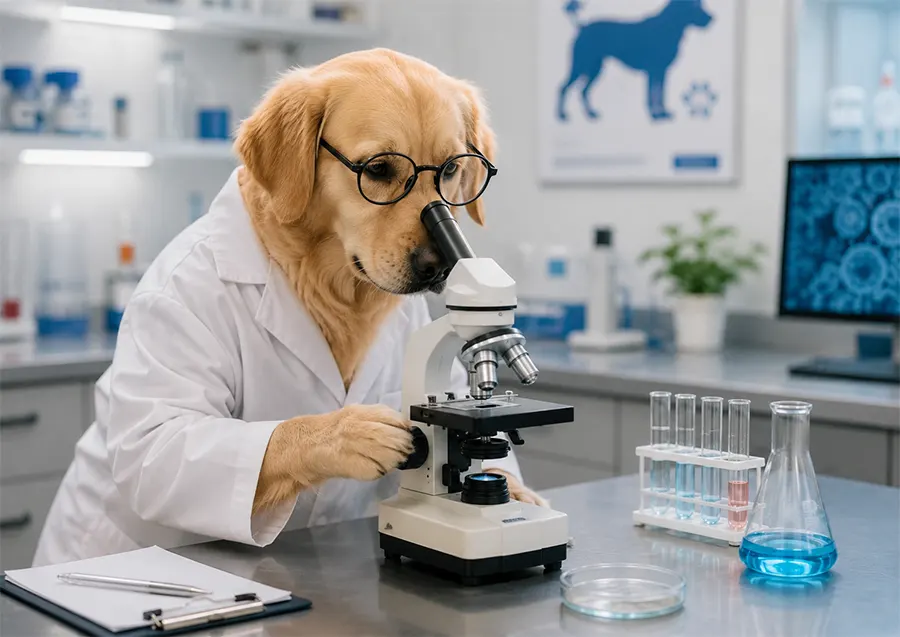
Testing Areas
Routine hemogram and serum biochemistry help assess infection, organ function and general health.
Testing support for immune response, exposure and disease investigation when symptoms need clarity.
Bacteriology and parasitology help identify infectious or parasite-related conditions.
Histopathology, analytical services, molecular diagnostics and toxicology support deeper investigation when needed.
Share your pet's symptoms, history and previous treatment details with the Felican team. The doctor will guide which tests are relevant and how the results connect to care.
Diagnostic Path
Laboratory testing works best when it is connected to a clinical examination, symptom history and timely follow-up.
The doctor reviews visible signs, history and whether diagnostic testing is required.
Blood work, biochemistry or specialized testing is selected based on the case need.
Results are interpreted with the clinical picture to guide treatment, monitoring or referral steps.